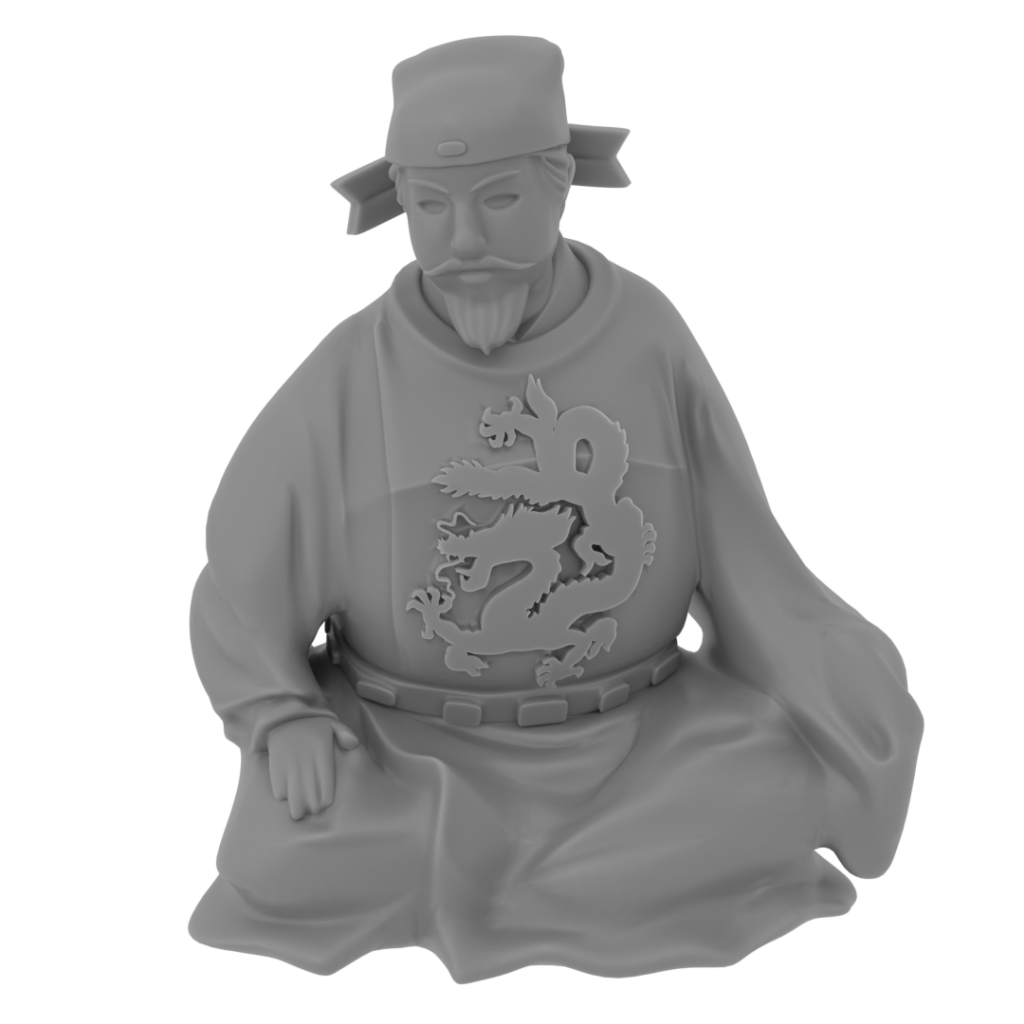
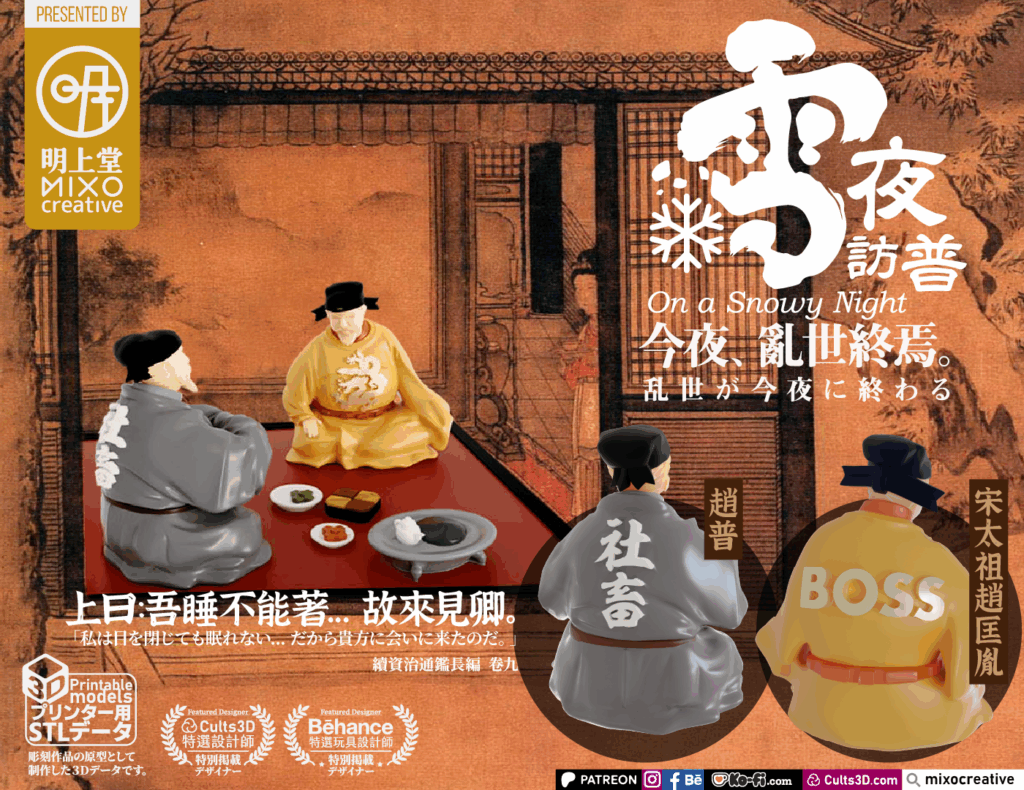
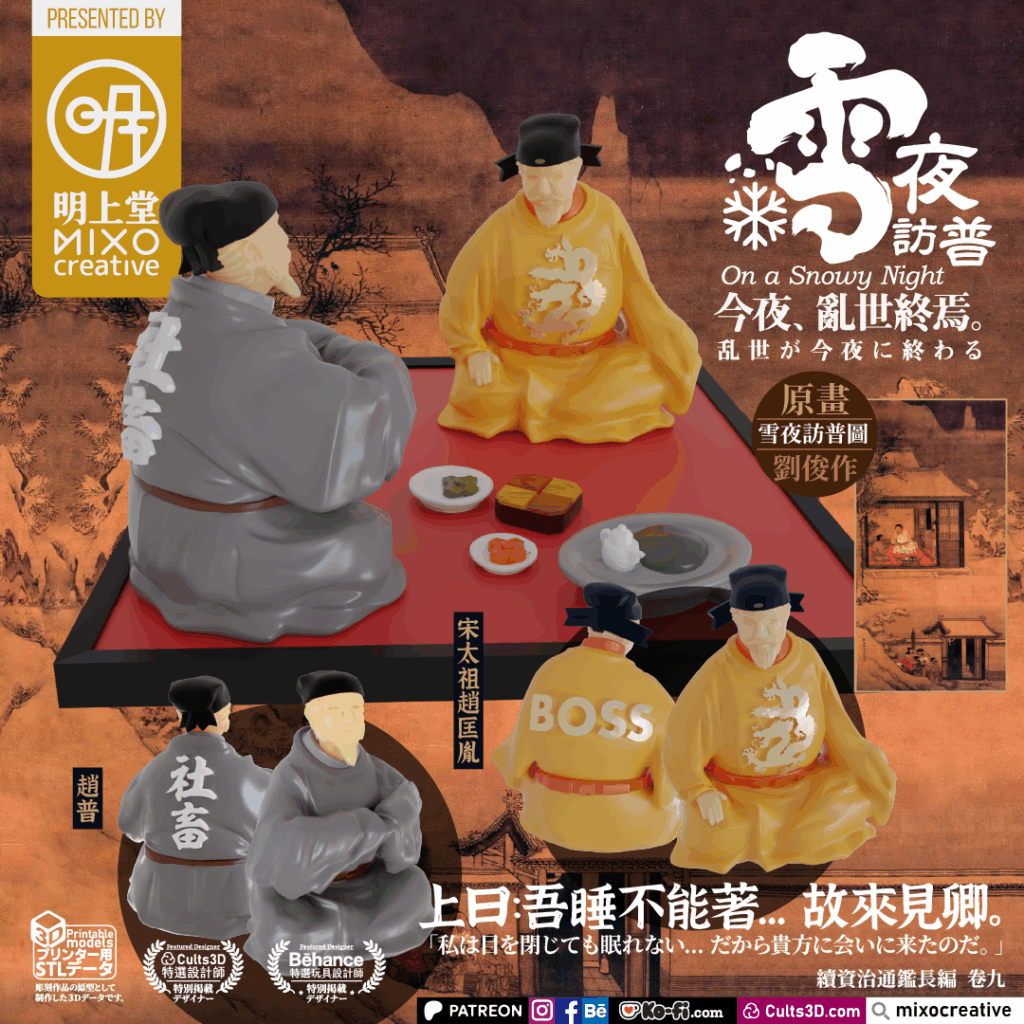
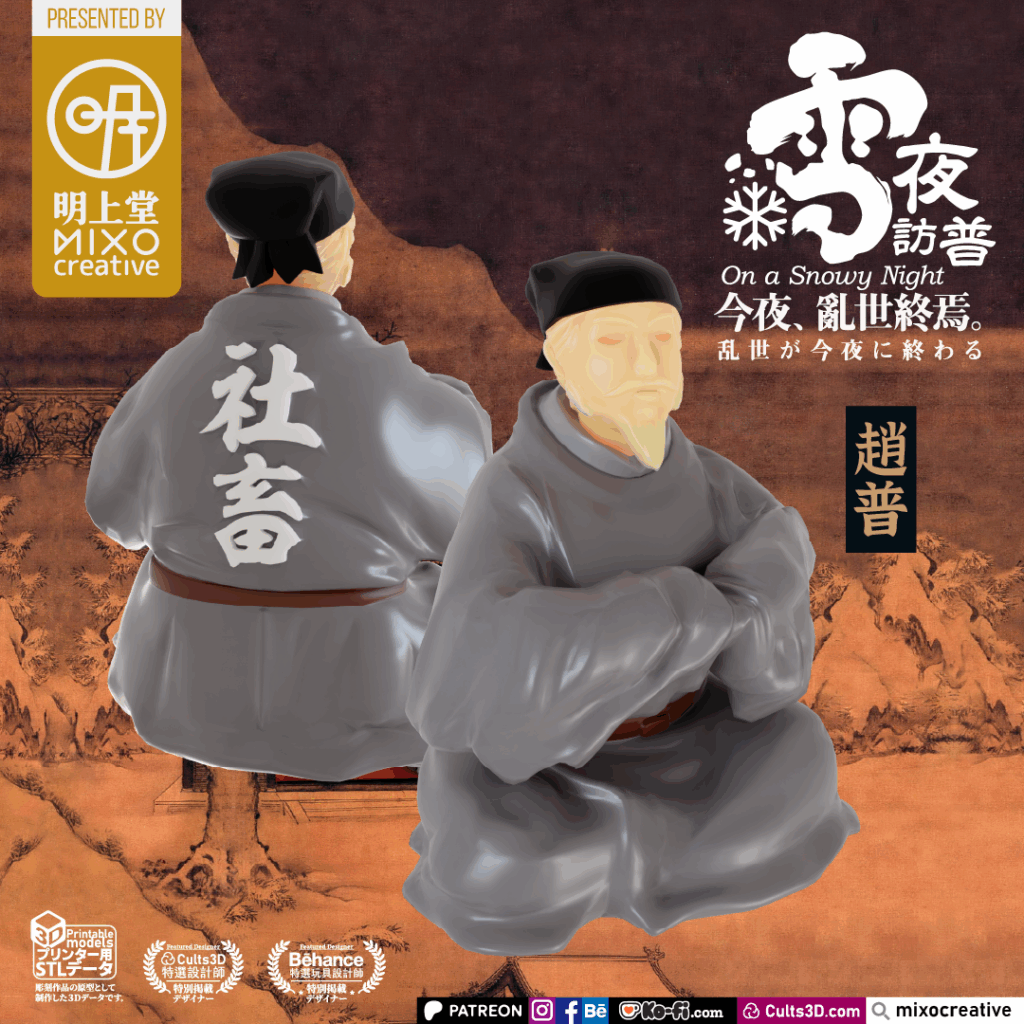
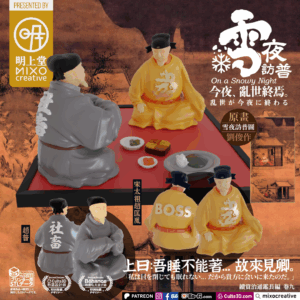
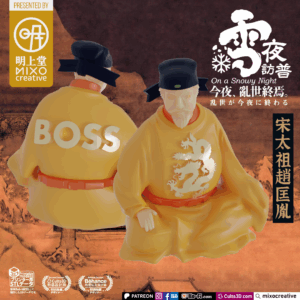
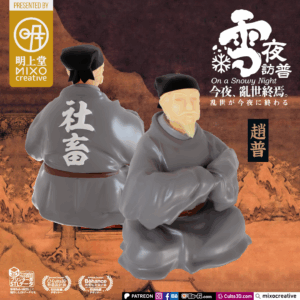
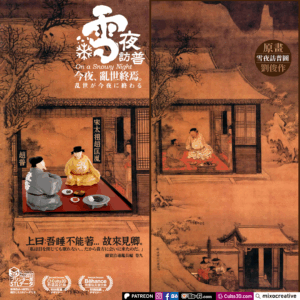
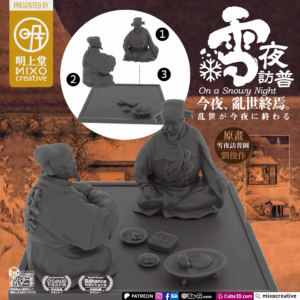
The focus of this snowy night discussion was state affairs, particularly the strategy for unifying the entire country. Zhao Pu proposed the “first south, then north” strategic policy, which meant first pacifying the separatist regimes in the south before attempting to conquer Taiyuan in the north (then the Northern Han regime). This approach aimed to avoid the pressure of fighting on two fronts simultaneously. This suggestion was deeply approved by Emperor Taizu and became an important national policy for the founding of the Song Dynasty.
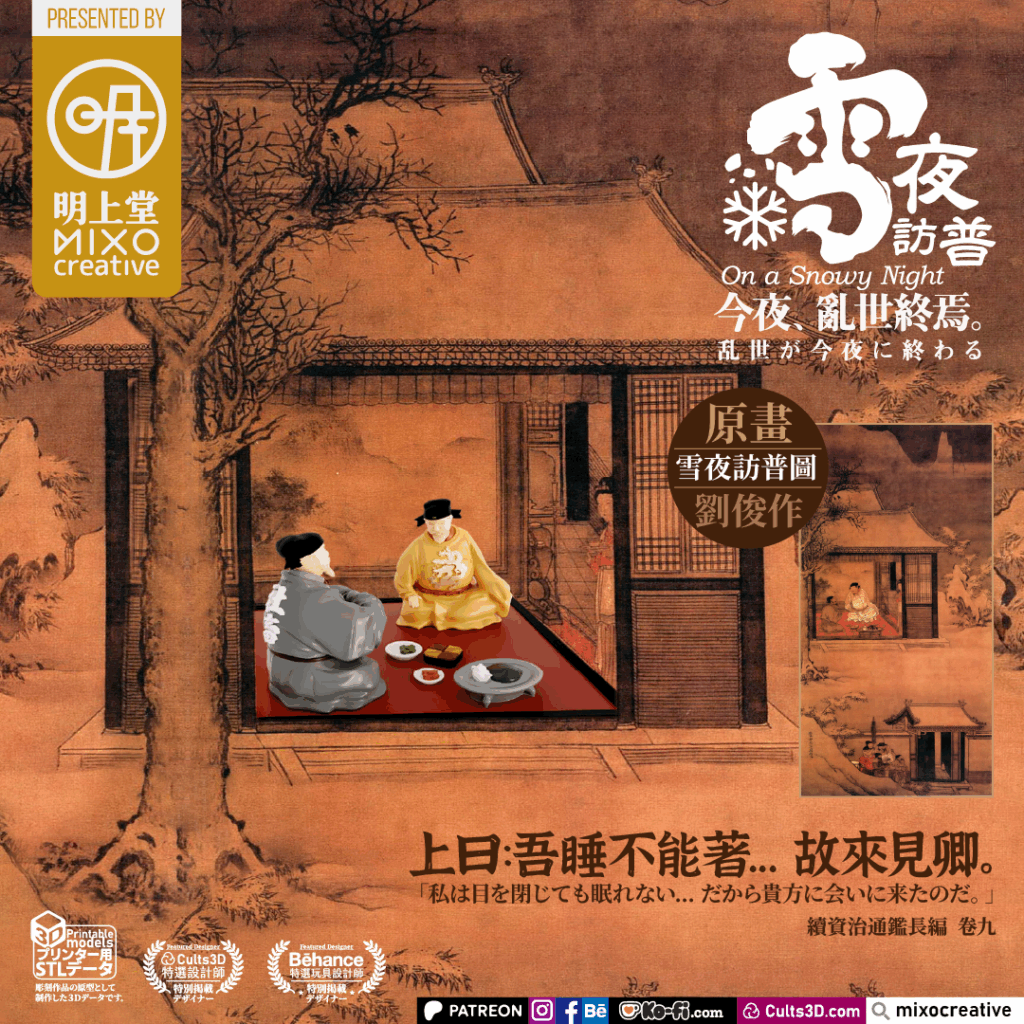
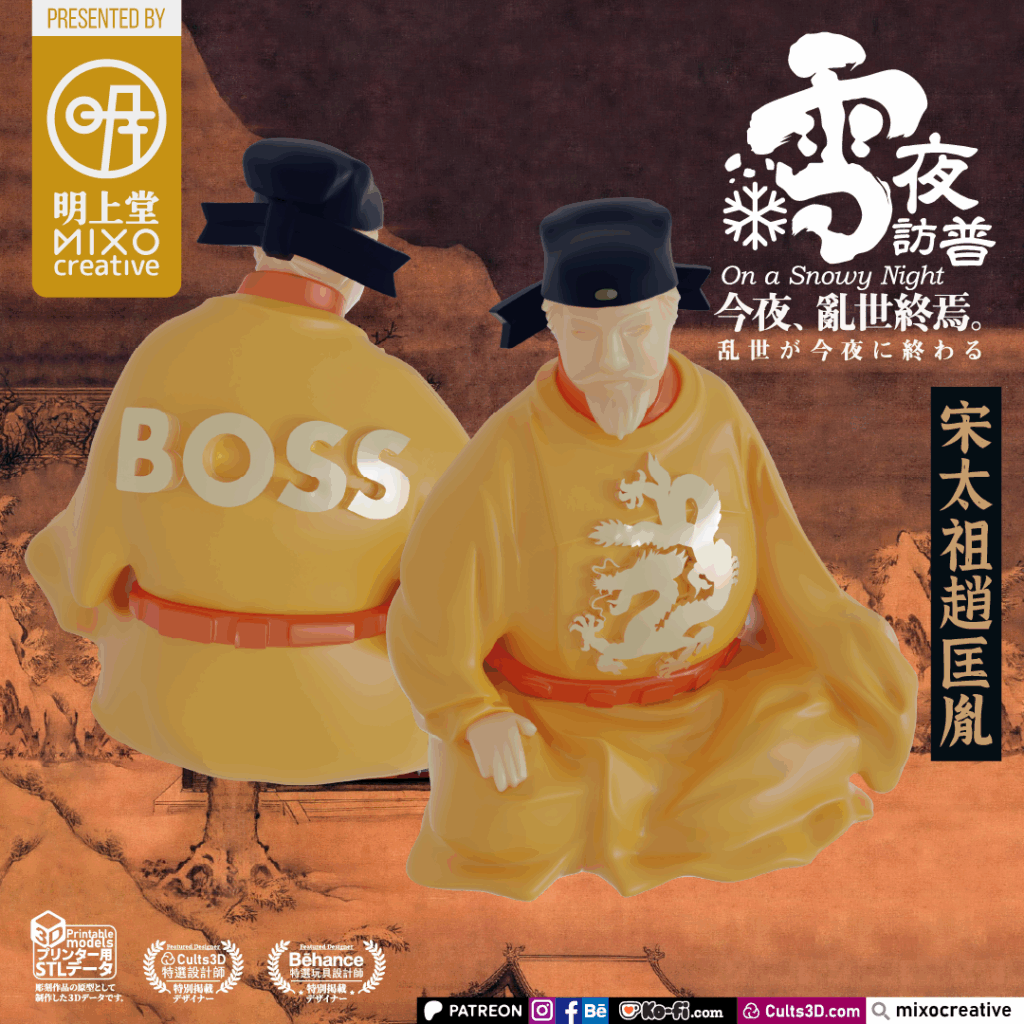
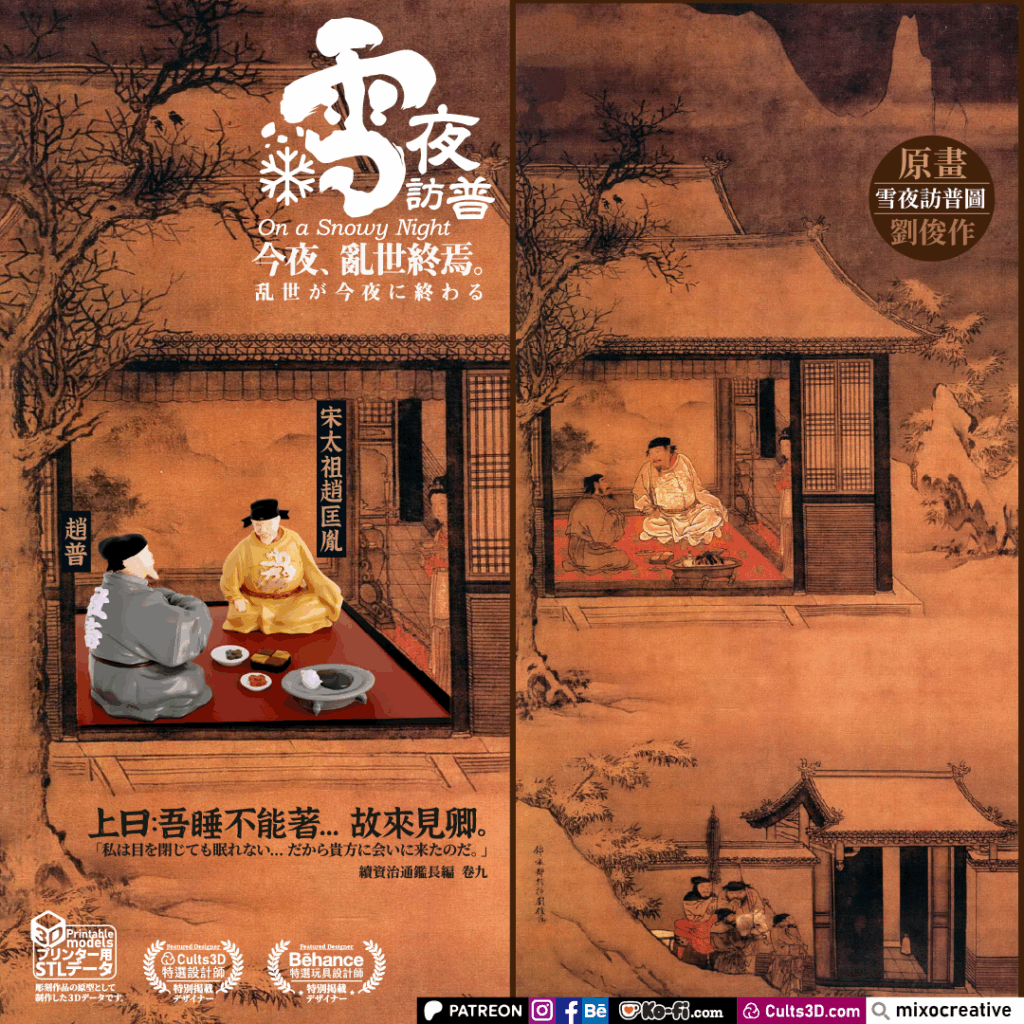
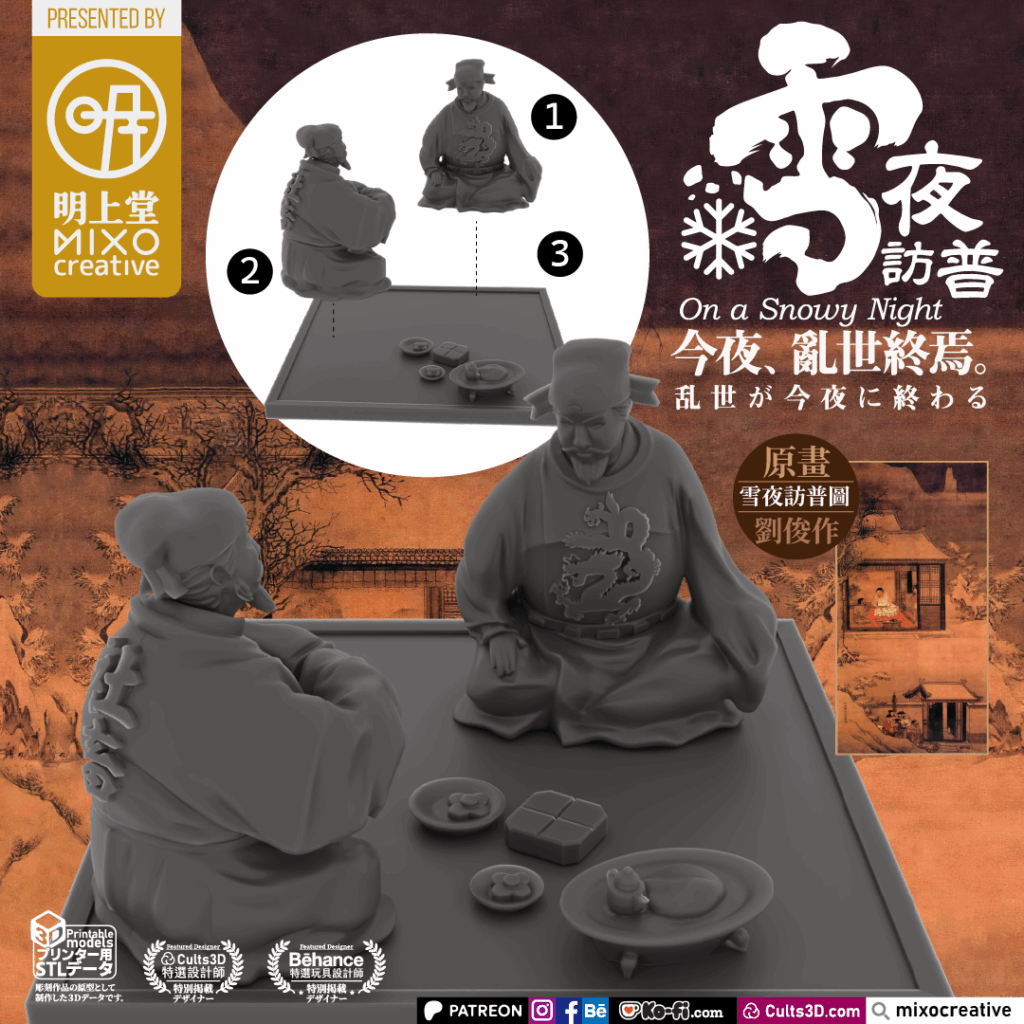
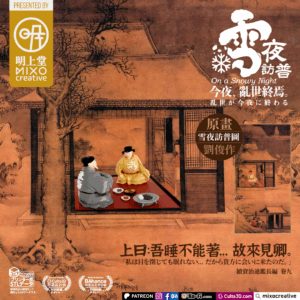
This story not only showcases Emperor Taizu’s image as an enlightened ruler eager for talented individuals and open to advice but also reflects Zhao Pu’s strategic foresight and contributions as a founding prime minister. Liu Jun, a Ming Dynasty painter, also created the famous painting “Snowy Night Visit to Zhao Pu” based on this subject.
這次雪夜會談的重點是討論國家大計,尤其是關於統一全國的策略。趙普提出了「先南後北」的戰略方針,即先平定南方割據政權,再圖謀北方的太原(當時為北漢政權),避免一下子面對兩線作戰的壓力。這個建議深得太祖贊同,成為宋朝開國的重要國策。
這段故事不僅展現了宋太祖求賢若渴、虛心納諫的明君形象,也體現了趙普作為開國宰相的謀略和貢獻。明代畫家劉俊還曾以此為題材創作了著名的《雪夜訪普圖》。
この雪の夜の会談の焦点は、国家の大計、特に全国統一のための戦略についてでした。趙普は「まず南、次に北」という戦略方針を提案しました。これは、まず南方の割拠政権を平定し、その後に北方の太原(当時の北漢政権)を攻略するというもので、一度に二つの戦線で戦う圧力を避けることを目的としていました。この提案は太祖に深く賛同され、宋王朝建国の重要な国策となりました。
この物語は、才能ある人材を求め、諫言を受け入れる賢明な君主としての太祖の姿を示すだけでなく、建国の宰相としての趙普の謀略と貢献をも表しています。明代の画家である劉俊も、この題材に基づいて有名な『雪夜訪普図』を制作しました。